The 25th Annual International Postgraduate Research Conference (IPRC) – 2025
| Name | The 25th Annual International Postgraduate Research Conference (IPRC) – 2025 |
| Date | 13th November, 2025 |
| Theme | “Digital Transformation in Green and Sustainable Innovation” |
| Flyer | View Flyer |
| Academic Tracks |
|
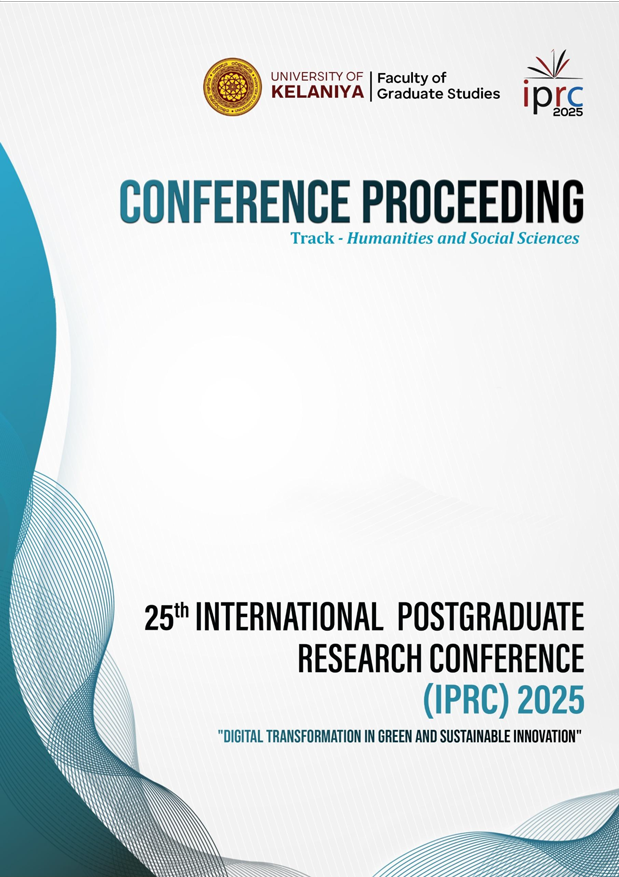
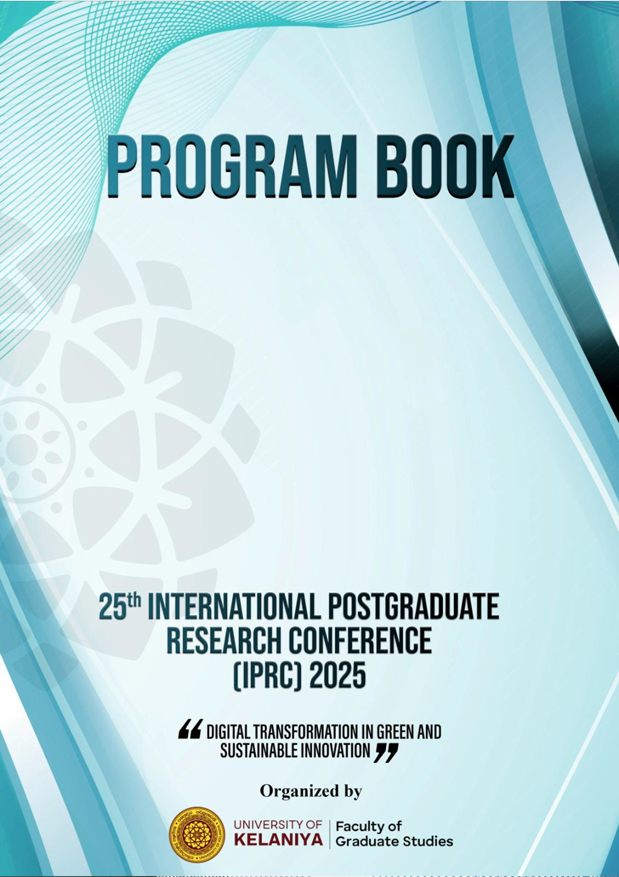
Programme Book
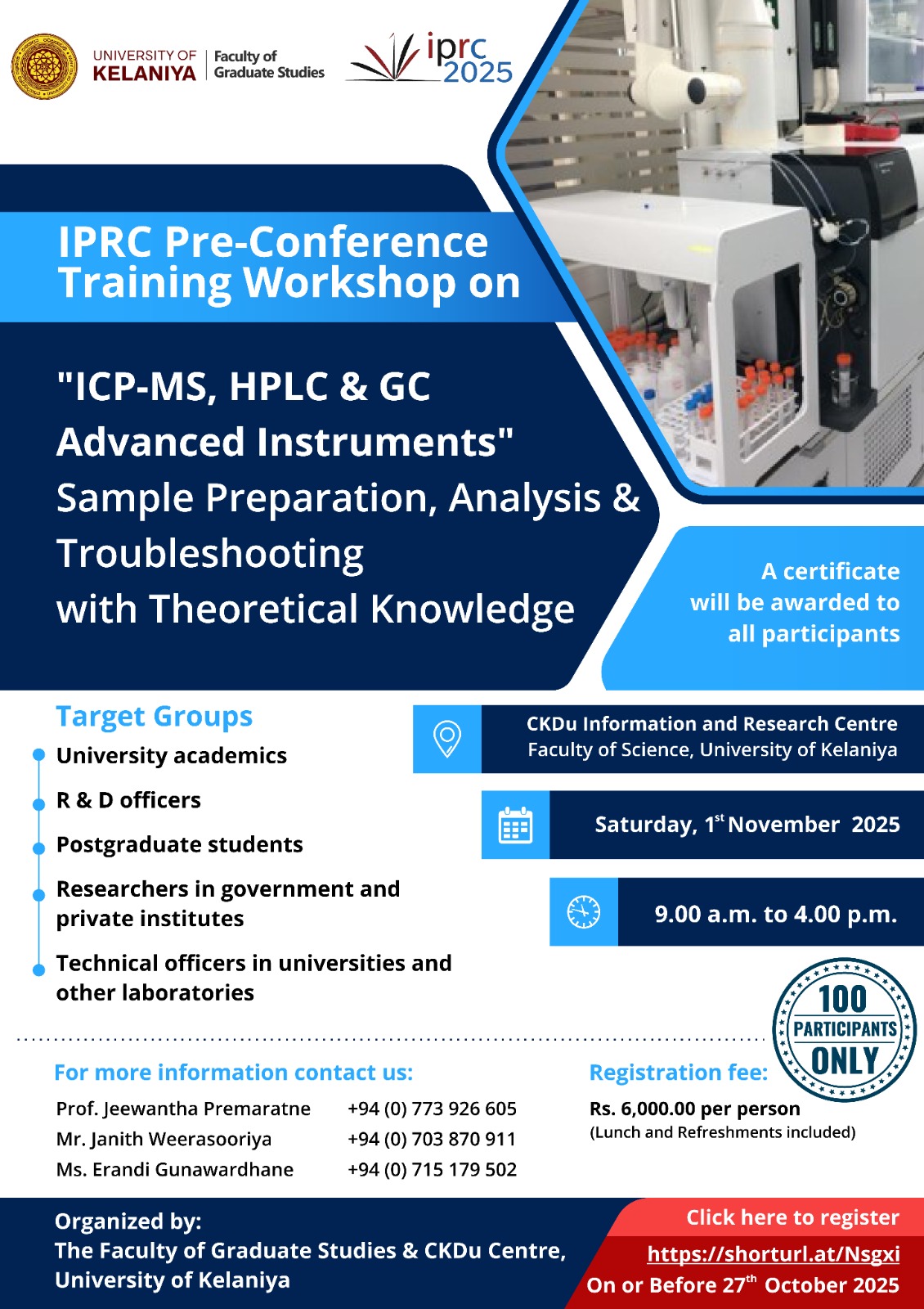
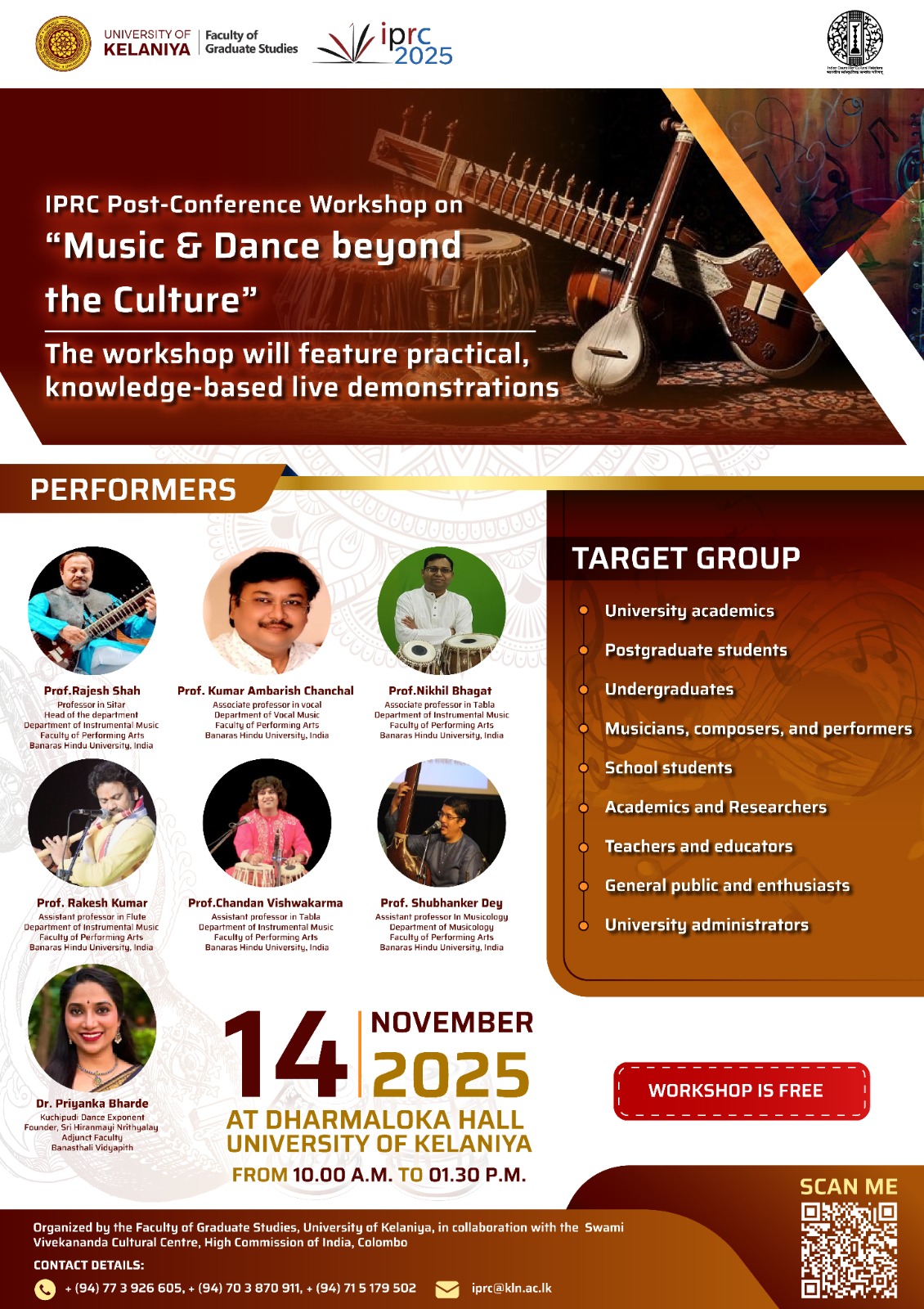
Events of IPRC 2025
KEYNOTE SPEAKER

Ph.D., Science and Technology Policy – University of Sussex, UK (2003)
M.A., Development Economics – University of Sussex, UK (1999)
B.A. (cum laude), Economics – University of Bari, Italy (1998)
More Details
Piergiuseppe Morone is Full Professor of Economic Policy at Unitelma Sapienza with a strong interest in green innovation and sustainable circular bioeconomy pushing his research at the interface between innovation economics and sustainability transitions, an area of enquiry that has attracted growing attention over the last decade. His work regularly appears in prestigious innovation and environmental economics journals. In 2023 published with Cambridge University Press a textbook on The Circular Bioeconomy - Theories and Tools for Economists and Sustainability Scientists.
He is the coordinator of the Bioeconomy in Transition Research Group (BiT-RG) and the director of the School of Sustainability Studies and Circular Economy (SUSTAIN). Moreover, he is/was involved in several European projects (including: H2020, BBI-JU, Life, Erasmus+, COST, Horizon Europe and CBE-JU) acting as scientific coordinator, vice-chair and WP Leader. He was Economic advisor to the Italian Minister of the Environment, Land and Sea Protection, till February 2021.
Piergiuseppe is Editor in Chief of Societal Impacts (ELSEVIER) and Associate Editor of several other prestigious journals.
Since April 2022 Piergiuseppe is the vice-chair of the Circular Bio-based Europe Joint Undertaking (CBE JU) Scientific Committee.
Plenary Speakers

Associate Professor of Plant Pathology
Department of Agricultural Biology
College of Agricultural Sciences
Colorado State University
Fort Collins, CO 80523
USA
PhD (Washington State University)
MS (University of Vermont)
BS, (University of Oregon)
More Details
Dr. Jane E. Stewart is an Associate Professor of Plant Pathology in the Department of Agricultural Biology at Colorado State University in Fort Collins, Colorado, USA. Her research focuses on forest, shade, and fruit trees, addressing critical issues in tree health through the lens of plant pathology. Dr. Stewart brings extensive expertise in fungal biology, population genetics and genomics, molecular diagnostics, and the management of plant pathogens particularly invasive and emerging pathogens affecting trees.
Over the course of her career, Dr. Stewart has published more than 100 scholarly manuscripts spanning various forest and tree crop pathosystems. Her research emphasizes the speciation of tree pathogens and explores host-pathogen interactions at multiple levels, from the microbiome to the molecular scale. She is also actively engaged in developing practical management strategies to combat tree diseases and enhance sustainable forestry and agriculture.
In addition to her research, Dr. Stewart teaches undergraduate and graduate courses at Colorado State University. Her undergraduate course, Tree Health and Management, covers a wide array of tree diseases and insect pests along with their management practices. She also teaches a graduate-level course on Fungal Biology and Genetics, sharing her deep knowledge and research experience with the next generation of plant pathologists.
Dr. Stewart’s research program has a global focus, aiming to improve understanding of the biology, ecology, genetics, and management of emerging tree pathogenic fungi. She currently serves as Editor-in-Chief of the internationally recognized journal Forest Pathology, reflecting her leadership and influence in the field.
Abstract
Characterizing Patterns Associated with Airborne Microbial Communities in Forest and Grassland Ecosystems
Understanding how and what types of microorganisms move through the air is important for early warning detection systems for human and ecosystem health. The atmosphere harbors a diverse and dynamic reservoir of microorganisms, yet their distribution, especially for fungi, in the atmosphere and response to environmental variation remains a subject of ongoing investigation. In this study, we compared airborne bacterial and fungal communities in subalpine forest and steppe grassland sites, over diel, vertical, and seasonal gradients. Air samples were collected at three heights over four months at the subalpine forest with concurrent sampling in the steppe grassland during two of those months. We observed that fungal communities had greater site-specific variability and sensitivity to environmental factors than bacterial communities. This was most apparent in the subalpine forest, where vertical stratification and diel cycles significantly structured microbial diversity. In comparison, bacterial communities were temporally dynamic but showed weaker responses to local environmental conditions and minimal site-level differences. This may indicate broader dispersal and a ubiquitous set of bacterial taxa. Environmental drivers such as atmospheric moisture and air pressure influenced microbial beta-diversity in the subalpine forest, while air temperature and wind speed impacted diversity in the steppe grassland, again highlighting ecosystem-specific responses. Despite compositional differences, a group of shared bacterial and fungal taxa was consistently detected across sites. Most of these shared taxa were detected at greater heights in the subalpine forest. This, along with wind patterns moving eastward from the subalpine forest towards the steppe grassland, indicates potential atmospheric transport between sites, with taxa dispersal being filtered by height. These results underscore the role of ecosystem structure, meteorological conditions, and air mass movement in shaping the aerobiome. Our data suggest that airborne microbial communities are shaped by both local emission and long-range atmospheric transport processes.
Keywords: Aerobiome, ecosystems, microbial diversity, transport
.
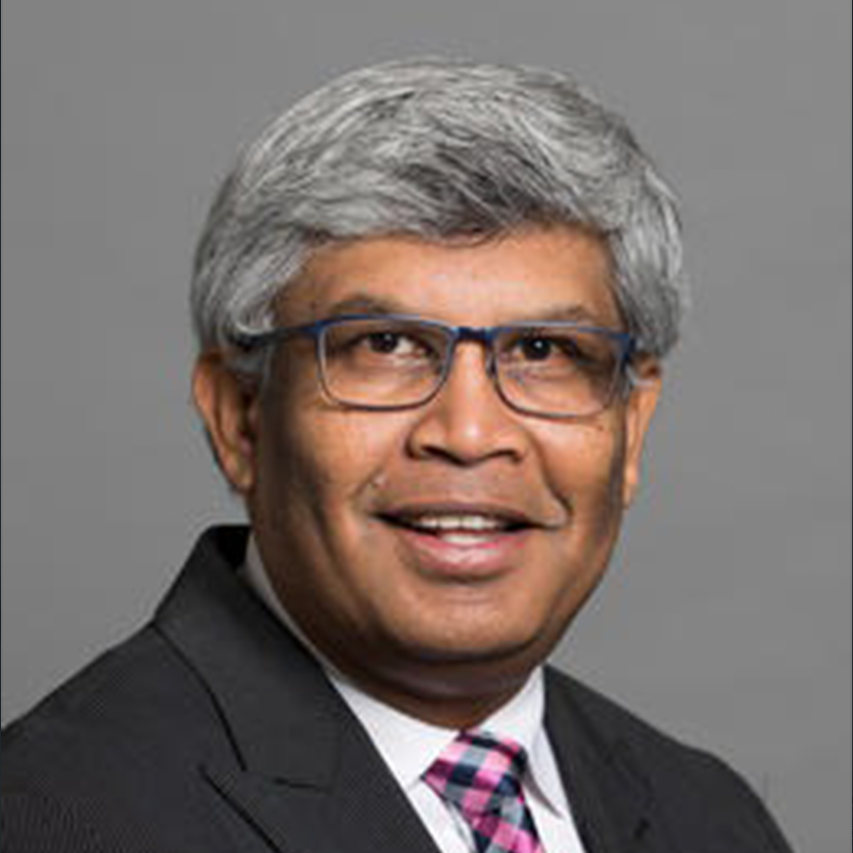
Schulich School of Engineering, Department of Civil Engineering,
University of Calgary
2500 University Drive NW
Calgary Alberta T2N 1N4
Canada
Ph.D., Construction Engineering and Management – University of Alberta, Canada (2001)
M.Sc., Construction Management – Arizona State University, USA (1997)
B.Sc. (Hons), Quantity Surveying – University of Moratuwa, Sri Lanka (1992)
More Details
Professor Janaka Yasantha Ruwanpura is a highly respected academic, researcher, and global leader in construction engineering, project management, and international higher education. He is currently a Professor in the Department of Civil Engineering at the Schulich School of Engineering, University of Calgary. He recently concluded over 11 years of service as the Vice-Provost and Associate Vice-President Research (International), during which he significantly advanced the university’s international engagement and reputation.
During his tenure as Vice-Provost International, Professor Ruwanpura played a pivotal role in shaping and implementing the University of Calgary’s international strategy. His leadership led to the creation of several collaborative degree programs, research partnerships in countries like China and Mexico, and the acquisition of more than $57 million in research and infrastructure funding. He also secured over $25 million in international development grants and more than $5 million for student research internships through MITACS. Notably, he became the first Canadian and non-American to be elected Executive Chair (2019–2021) of the Commission of International Initiatives of the Association of Public and Land-Grant Universities (APLU).
Professor Ruwanpura’s work has earned him numerous prestigious accolades, including the Top 25 Canadian Immigrant Award (2022) and fellowships with the Canadian Academy of Engineering (FCAE), the Engineering Institute of Canada (FEIC), the Canadian Society for Civil Engineering (FCSCE), and the National Academy of Construction, USA (NAC). In 2022, he was also recognized as a Gold Seal Certified Professional by the Canadian Construction Association.
Abstract
Abstract Title : Igniting Research Excellence: Building the Next Generation University for Global Impact
This plenary will present an evidence-based eleven-point framework for advancing institutional research excellence, drawing on global best practices and implementation experience from leading universities. The framework emphasizes transdisciplinary research clusters, targeted funding strategies, publication culture, international collaborations, and industry-engaged innovation. It also highlights internal enablers such as performance-linked incentives, structured research support, and the role of postdoctoral and community engagement. Using this framework, the presentation proposes a tailored roadmap for developing a comprehensive Research Strategy for the University of Kelaniya. Key components include aligning research with national and global priorities, building flagship institutes, and strengthening partnerships for co-funded, high-impact research. The session will demonstrate how strategic planning and structured implementation can transform research ecosystems, improve institutional rankings, and position universities as regional leaders in innovation, knowledge creation, and sustainable development..

Professor of Chemistry
Department Head,
Department of Chemistry & Physics,
Western Carolina University
Ph D, University of Arizona, Chemistry
BS, University of Kelaniya, Sri Lanka, Chemistry
More Details
Dr. Channa De Silva is a Professor and Department Head of Chemistry & Physics at Western Carolina
University, USA. He completed his B.S. degree in Chemistry with First-Class Honors at the University of
Kelaniya, Sri Lanka, in 2000 and earned his Ph.D. in Chemistry with a GPA of 4.0 from the University of
Arizona, USA, in 2007. From 2008 to 2010, he worked as a Research Associate at the Pacific Northwest
National Laboratory, in Materials Science and Engineering at the University of Arizona, and the Bio5
Institute at the University of Arizona, USA. His research focuses on developing metal-based
nanomaterials for biotechnological applications and conducting computational studies of materials
containing lanthanide and actinide metals.
Dr. De Silva has received numerous teaching and research awards, including the University of North
Carolina Board of Governors Award for Excellence in Teaching, USA (2024), the Brinson Honors College’s
Faculty and Staff Excellence Award, Western Carolina University (2024), the Chancellor’s Distinguished
Teaching Award (2024), Winner, FACULTY 3 Minute Research Talk (3MR), Western Carolina University,
USA (2024), Teaching Award from the College of Arts & Sciences at Western Carolina University (2022),
Visiting Faculty Program Scholar from the U.S. Department of Energy (DOE) (2021), SoCon Faculty
Member of the Year Award (2019), and Innovative Scholarship Award (2017).
In his free time, he enjoys playing music, including Sri Lankan music, northern Indian music, and an
American folk genre called Appalachian music.
Abstract
Abstract Title : Artificial Intelligence in Chemistry Research: Transforming Discovery, Design, and Education
Artificial Intelligence (AI) is rapidly reshaping the landscape of chemical research and education, offering transformative capabilities across molecular design, reaction prediction, process optimization, and teaching. Recent advancements highlight AI’s growing role in both undergraduate and graduate-level chemistry, with applications spanning drug discovery, materials science, and sustainable chemical engineering. AI-driven platforms such as ChemCopilot and IBM RXN are streamlining retrosynthesis planning, reaction yield prediction, and real-time process monitoring. Large Language Models (LLMs), including finetuned systems like GVIM, are being integrated into intelligent research assistants capable of molecular visualization, SMILES string processing, and literature retrieval. These tools not only enhance research productivity but also democratize access to advanced computational methods. Educationally, AI’s integration into chemistry curricula is gaining momentum. Workshops and teacher training programs are fostering Technological Content Knowledge (TCK), preparing educators to bridge the gap between scientific innovation and classroom instruction. The 2024 Nobel Prize in Chemistry, awarded for AlphaFold’s protein structure prediction, underscores AI’s interdisciplinary impact and its relevance to future career pathways. Despite its promise, challenges remain in data quality, model interpretability, and ethical deployment. Addressing these issues is essential to ensure scientifically sound and socially beneficial outcomes. This abstract invite discussion on the strategic incorporation of AI into chemistry research and education, emphasizing its potential to accelerate discovery, enhance pedagogy, and prepare students for AI-driven scientific careers.
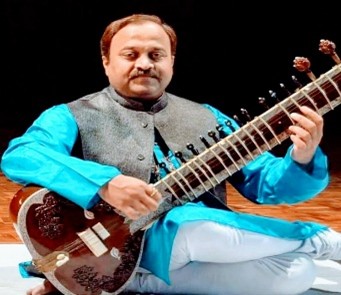
Dr. Rajesh Shah
Professor in Sitar
Instrumental Department
Faculty of Performing Arts
Banaras Hindu University
Ph.D., BHU, Varanasi, India
M.Mus., BHU, Varanasi, India
B.Com., Gorakhpur University, Gorakhpur, India
Prof. Rajesh Shah is a distinguished artist and academic in the field of Indian Classical Instrumental Music, specializing in the sitar. Born on June 15, 1966, into a culturally rich Gujarati family, he inherited his passion for classical music from his father, Sri Narottam Das Shah. Over the course of his illustrious career, Dr. Shah has established himself as a leading figure in sitar performance, pedagogy, and music composition, contributing significantly to the propagation and preservation of India’s classical music heritage.
Currently serving as a Professor in the Department of Instrumental Music at the Faculty of Performing Arts, Banaras Hindu University (BHU), Prof. Shah has also held key academic positions, including Dean of the Faculty and Head of the Department. A Grade ‘A’ artist of All India Radio and Doordarshan, he is renowned for his solo sitar recitals, jugalbandis (duets), and orchestral compositions, both in India and abroad.
Prof. Shah’s musical foundation was shaped by the rigorous training he received under the guidance of Late Sri Govind Raoji Nayak and the late Dr. Ramdas Chakravarti of BHU, followed by advanced tutelage from Pt. Amarnath Mishra of the Banaras Gharana. Deeply rooted in the Saini Gharana tradition, his sitar style is noted for its clarity, creativity, and expressive depth.
An active performer, Prof. Shah has presented concerts and conducted workshops across Europe, Central Asia, the Middle East, and South Asia, including notable appearances in Germany, Austria, Azerbaijan, Kazakhstan, Mauritius, UAE, and Nepal. In addition to his international reach, he is a respected educator who has mentored over 16 Ph.D. scholars and numerous postgraduate students. Many of his disciples now serve as faculty members in reputed universities and cultural institutions worldwide.
His commitment to inclusive education is exemplified by his longstanding work with visually impaired students, whom he has trained in the intricate art of sitar performance. He has also composed and directed several orchestral works specifically for visually impaired musicians, earning recognition at international platforms such as Vienna and across Indian cities.
Prof. Shah has authored the book "Sitar Vigyan: Prayog Evam Shastra" and contributed extensively to academic journals and conference proceedings at both national and international levels. His research interests span from traditional raga interpretation to music therapy, music education, and comparative musicology.
Beyond teaching and performance, he has served on various academic and administrative bodies, including as a member of Boards of Studies and selection committees in universities such as Visva Bharati University, Dr. Ram Manohar Lohia Awadh University, and M.S. University, Baroda. He has also acted as a convener and resource person in numerous interdisciplinary workshops and seminars focused on Indian classical music.
Through his artistic excellence, academic contributions, and inclusive teaching philosophy, Prof. Rajesh Shah continues to be a guiding force in the world of Indian classical instrumental music.
Abstract
Abstract Title : Rendition of Similar Ragas in North Indian Classical Music
North Indian Classical Music, or Hindustani music, is built upon the intricate and deeply aesthetic concept of the raga — a melodic framework for improvisation and composition. Each raga is defined by a unique set of notes (swaras), characteristic phrases (pakad), and mood (rasa), which together create a distinct identity. However, within this rich system exists a fascinating phenomenon — the presence of similar ragas, whose tonal structures and emotional colors overlap, yet whose renditions must remain distinct through nuanced expression.
Many ragas share the same or nearly identical scales but differ in their treatment, ornamentation, and emphasized notes. For instance, Raga Desh and Raga Khamaj both use the komal nishad (flat seventh) and shuddha nishad (natural seventh), yet their melodic contours and emotional intent diverge significantly. Desh evokes the freshness of monsoon and a feeling of longing, while Khamaj carries a romantic and serene flavor. Similarly, Raga Bhupali and Raga Deshkar share the pentatonic scale (using Sa Re Ga Pa Dha), but the former flows with a lyrical, devotional sweetness, while the latter projects brightness and vigor through sharper tonal emphasis and a more forceful rendition.
The distinction among similar ragas primarily depends on intonation, movement, and emphasis. The vadi (most prominent note) and samvadi (second most prominent note) play a crucial role in shaping the identity of a raga. Ornamentations such as meend (glide), kan swar (grace note), and gamak (oscillation) further add character. The choice of tempo (laya), rhythmic cycle (tala), and mood (bhava) also influences how the listener perceives one raga from another, even when the note structures are similar.
Experienced performers internalize these subtleties through years of training under the guru-shishya parampara. A successful rendition of similar ragas demands deep understanding and restraint — knowing precisely how to explore the raga’s potential without encroaching upon the domain of another. The artist’s improvisation (vistar, alap, taan) must unfold within the grammar of the chosen raga, revealing its individuality through creativity grounded in discipline.
Thus, the rendition of similar ragas in North Indian classical music exemplifies the art’s philosophical depth — the coexistence of similarity and uniqueness, structure and freedom. It is this delicate balance that sustains the immense beauty and complexity of the Hindustani raga tradition, allowing it to evolve continuously while preserving its timeless essence.
Conference Committee
Conference Chair & Editorial Director

Snr. Prof. P.A. Paranagama
Senior Professor & Chair of Chemistry,
Dean, Faculty of Graduate Studies, University of Kelaniya, Sri Lanka.
B.Sc (Kelaniya), M.Phil.(Kelaniya), Ph.D.(Glasgow, UK)
Tel: 011-2903950
E-mail: priyani@kln.ac.lk
Editor in Chief

Snr. Prof. N. Jayathilaka
Professor in Molecular Biology and Biochemistry,
Department of Chemistry,
Faculty of Science, University of Kelaniya,
Sri Lanka.
B. Sc. (UW Superior, USA) Ph. D. (USC, USA)
Postdoctoral Fellow (UCSD, USA)
OWSD Early Career Fellow
EDITORS
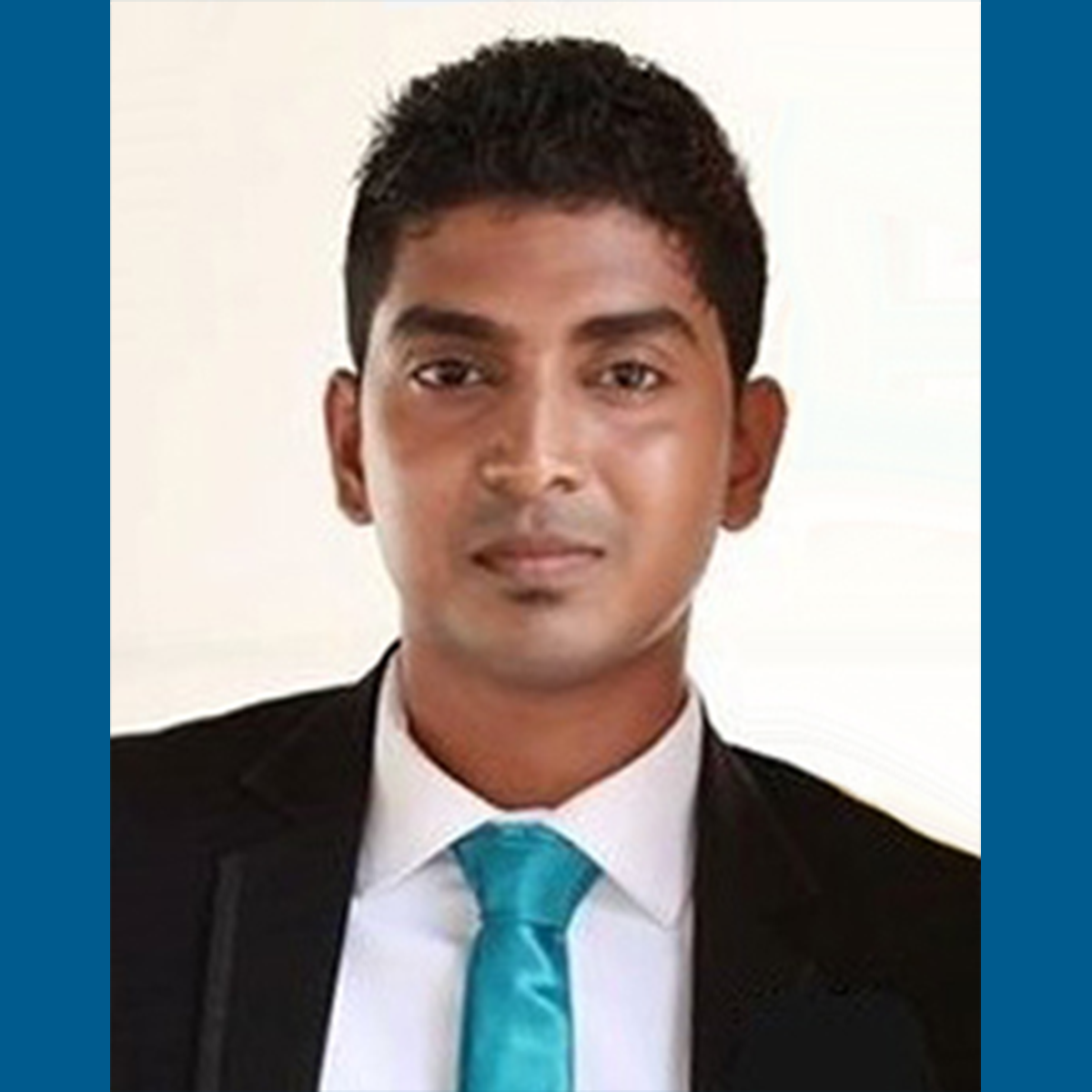
Prof. P.A.D.H. Nayana Gunathilaka
Department of Parasitology,
Faculty of Medicine,
University of Kelaniya,
Sri Lanka.
B.Sc (Hons), Ph.D (Kelaniya), MI Biol (Sri Lanka), C. Biol (Sri Lanka)
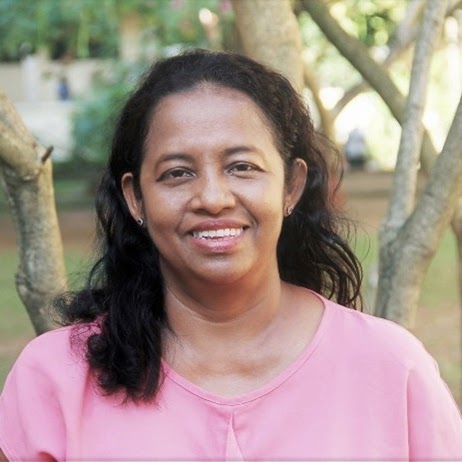
Prof. (Ms) Renuka N. Attanayake
Department of Plant & Molecular Biology,
Faculty of Science,
University of Kelaniya,
Sri Lanka.
PhD (WSU, USA), MSc (WSU, USA), BSc (Kelaniya)
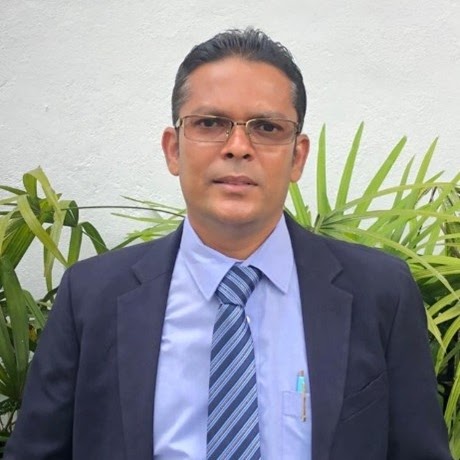
Prof. R.M Mahinda
Department of Environmental Management,
Faculty of Social Sciences and Humanities,
Rajarata University,
Sri Lanka.
B.A. (Kel’ya), MSSc. (Kel’ya), PhD (Australia)
B.A. (Hons.) in Geograp (CMB), MSc. in Geo Informatics (PDN), MA in Geography (SJP), (Tsukuba)
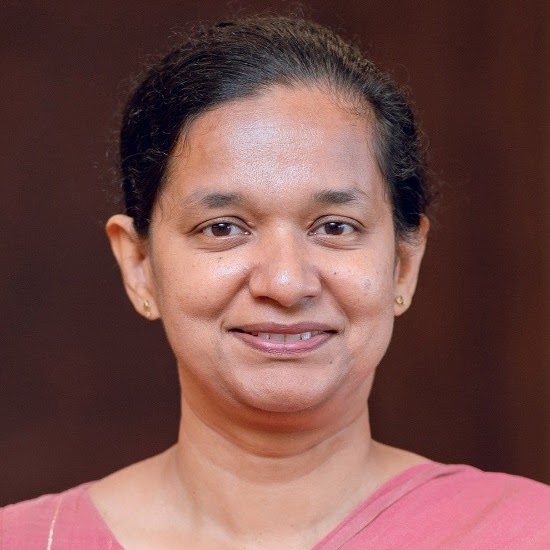
Prof. M.R.K.N. Yatigammana
Department of Commerce and Financial Management,
Faculty of Commerce and Management Studies,
University of Kelaniya,
Sri Lanka.
BCom (Commerce) (Kelaniya), MSc in MIT (Management & IT) (Kelaniya), Ph.D. (Malaysia)

Dr. Prabhashini Wijewantha
Senior Lecturer -Grade I
Department of Human Resource Management,
Faculty of Commerce and Management Studies,
University of Kelaniya, Sri Lanka.
B.Sc. (HRM) (USJ), MBA (C’bo), Ph.D (MSU – Mal’sia)
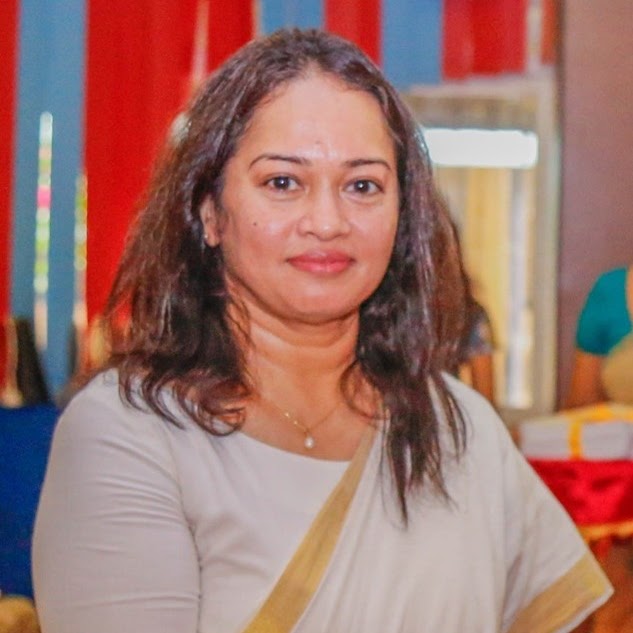
Dr. H.A. Kumudu Sumedha Sanjeewani
Senior Lecturer I
Department of Sociology,
Faculty of Social Sciences,
University of Kelaniya,
Sri Lanka.
B.A. (Kel’ya), MSSc. (Kel’ya), PhD (Australia)
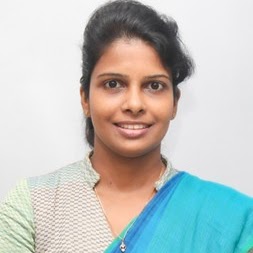
Dr. Induni Siriwardene
Senior Lecturer (Grade II)
Department of Applied Computing,
Director of the Center for Advanced Materials and Smart Manufacturing (CAMSM)
Faculty of Computing and Technology,
University of Kelaniya,
Sri Lanka.
BSc (Colombo), MSc (Iowa, USA), MBA (PIM), PhD (Colombo)
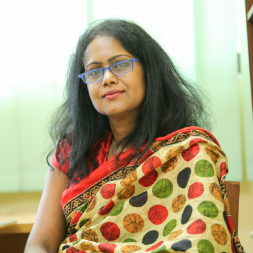
Mrs. Anuruddhika Kularathne
Senior Lecturer Grade - I
Department of Sinhala,
University of Kelaniya,
Sri Lanka.
PhD Degree in Sinhala, 2024 - University of Kelaniya
M.Phil Degree in Sinhala – Merit Pass- 2009. University of Kelaniya
B.A. Special Degree in Sinhala (First Class), 2003, University of Kelaniya, Sri Lanka
COPY EDITORS
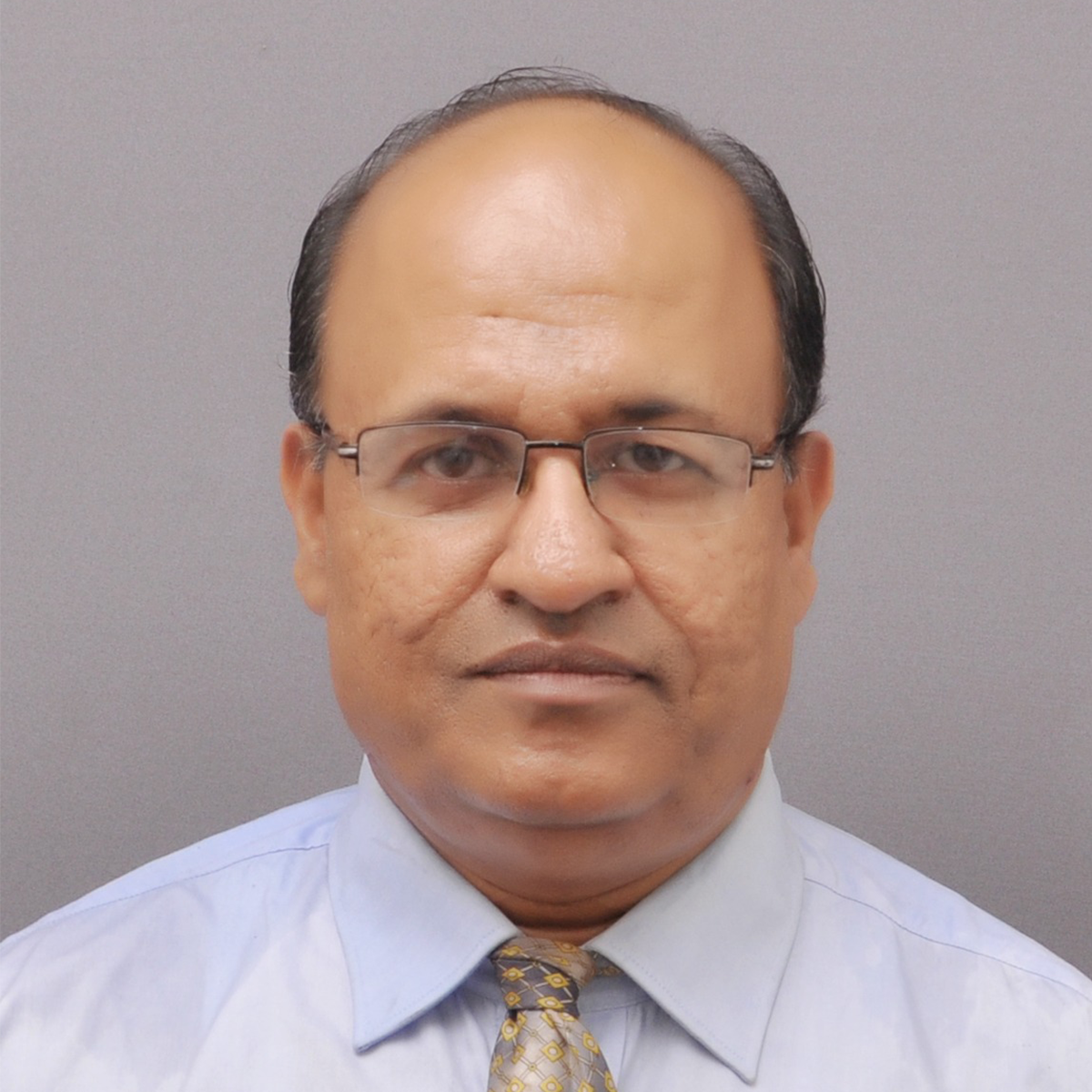
Dr. Mahendra Gunwardane
Senior Lecturer (Grade I)
Department of Microbiology,
University of Kelaniya,
Kelaniya.
PhD (Kelaniya), MPhil (Edinburgh)
B.Sc. (Sp) (Kelaniya),

Dr. Thilomi Samarakoon
Lecturer
Department of Zoology and Environmental Management, Faculty of Science, University of Kelaniya, Sri Lanka
BSc (Special) Honours in Environmental Conservation and Management,
University of Kelaniya,
Sri Lanka
MSc in Environmental Toxicology, Chulabhorn Graduate Institute, Thailand
PhD in Science and Engineering, Saitama University, Japan
Conference Secretary
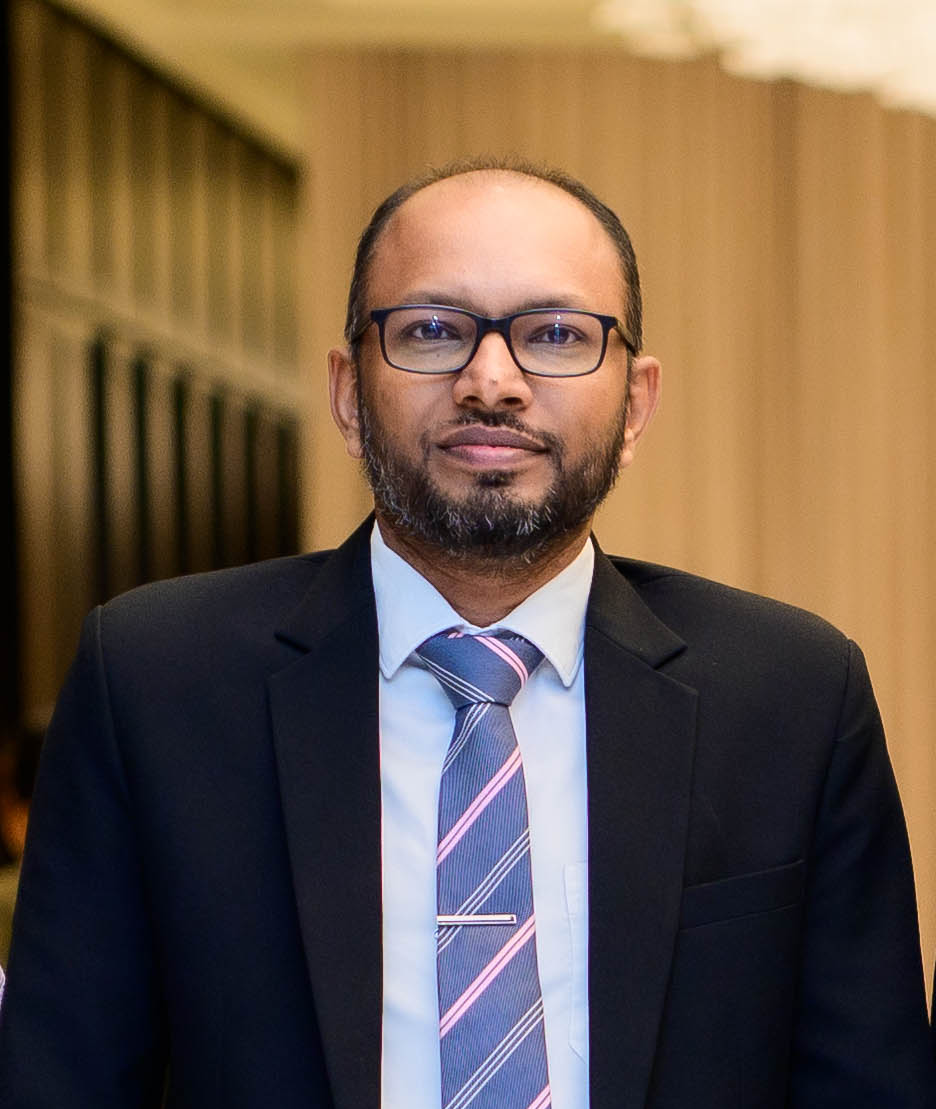
Mr. K.B.S.L. Wijeratne
Deputy Registrar,
Faculty of Graduate Studies,
University of Kelaniya,
Sri Lanka.
BA (Kelaniya), MBA (PIM - SJP)
Tel : 011-2903951
E-mail: shakyalakmal@kln.ac.lk
Conference Treasurer
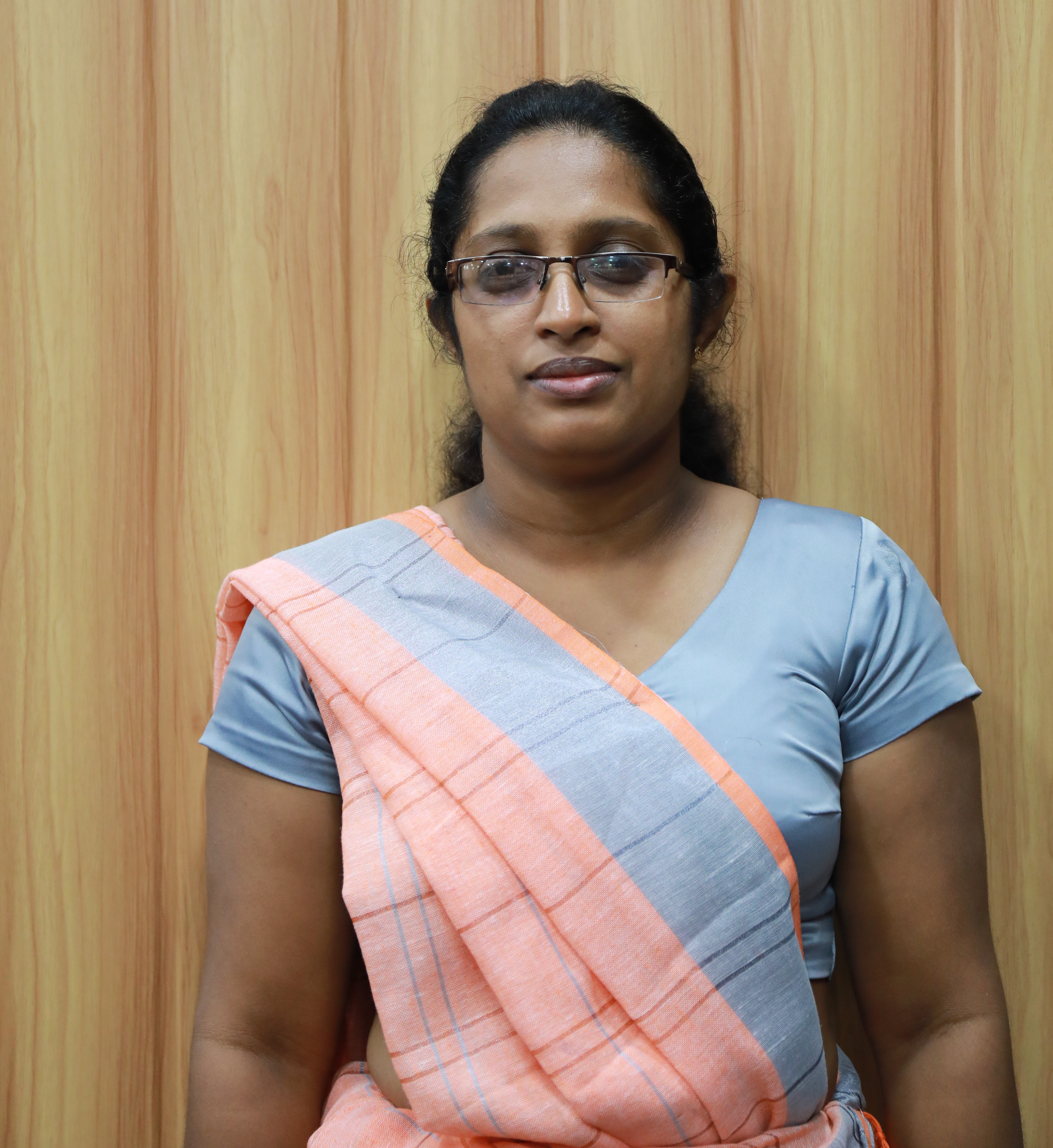
Ms. S.S. Gonapinuwala
Assistant Bursar,
Faculty of Graduate Studies,
University of Kelaniya,
Sri Lanka.
Tel : 011-2903528
Email: sathishkag@kln.ac.lk
Finance Division : fgsfinance@kln.ac.lk
Technical Consultant
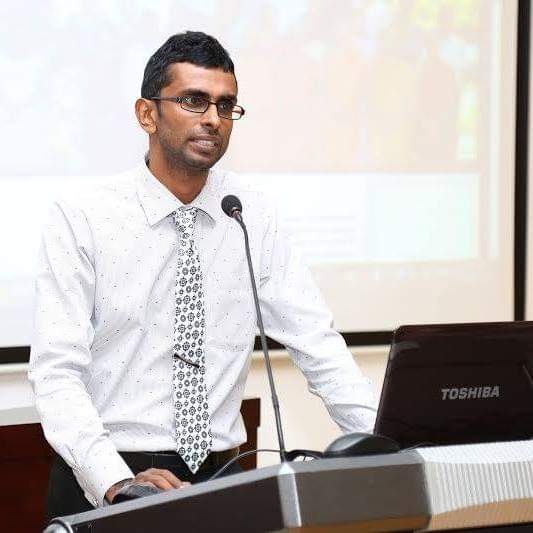
Mr. G H B A De Silva
Director - Digital Communication - University of Kelaniya
Senior Lecturer (Grade I)
Department of Human Resource Management
Email: webmaster@kln.ac.lk
Author Guidelines
Submission Information
Paper Submission Policies
- You are invited to submit your abstracts within the scope of IPRC 2025.
- All submissions must be prepared at the highest level of quality.
- Abstracts should only be from original research. Concepts, Future Studies and Reviews are not accepted.
- Abstracts should be a single, concise, and factual paragraph limited to one page, without subheadings, indentation, references, graphics, tables, or figures.
- As the acceptance rate will be maintained below 50%, priority will be given to papers that receive high review scores.
- Each speaker may present up to 3 papers, and an author’s name may appear on a maximum of 5 papers.
- All abstracts must be written in either Sinhala or English (Use United States (US) English) and formatted according to the prescribed template of IPRC 2025.
- All submissions must be original and should not be under consideration for publication at any other conference or journal simultaneously.
- No changes will be allowed to abstracts after the camera-ready submission deadline.
- Abstracts that are not presented at the conference will be excluded from the conference proceedings.
- The abstract will be rejected if the reviewer and editor comments are not adequately addressed.
- All submissions will undergo a double-blind peer review process and will be evaluated based on originality, research quality, accuracy, relevance to the conference, and clarity of presentation.
- The abstract will be rejected at the stage of revised abstract submission if the reviewer and editor comments are not adequately addressed.
- The plagiarism rate for papers must not exceed 20%. Submissions that do not meet this criterion will be rejected without undergoing editorial or peer review.
- Review and adhere to all regulations as outlined in the author guidelines.
- Ensure that the abstract is free from grammatical and spelling errors prior to submission.
- Ensure that no personal or identifying information is included in the abstract that could compromise the blind peer-review process.
- Abstracts should only be from original research. Concepts, Future Studies and Reviews are not accepted.
- You should rename your abstract as "IPRC_25_XX_InitialSubmission" and submit both PDF and Word (.docx) versions.
Submission Preparation Checklist
Authors must mark whether their entry complies with all the following requirements as part of the submission process; entries that do not follow these guidelines risk having their submissions returned to the authors.
You are invited to submit your abstracts within the scope of IPRC 2025
One author has been designated as the corresponding author with the contact details:
☑ Author declaration - prepared according to the guidelines provided by IPRC 2025 (Use the Microsoft Word template provided by the IPRC 2025)☑ Cover letter - Provided by IPRC 2025 (Use the Microsoft Word template provided by the IPRC 2025)
☑ Title page - Provided by IPRC 2025 (Use the Microsoft Word template provided by the IPRC 2025)
☑ Abstract - Abstract should be submitted according to the Microsoft Word template provided by the IPRC 2025 to prepare the abstract including introduction, Methodology, Results, Discussion, Conclusion, and Keywords as a PDF and a Word document
☑ Highlights file (where necessary)
☑ Supplementary information files (if necessary)
☑ Submitted through the Conference Management Toolkit (CMT)
Abstracts Submission
For IPRC 2025, we are accepting abstract submissions only.
Submission must be made through the
Conference Management Toolkit (CMT),
Please note that, unlike IPRC 2025, we are not offering full paper publication options. Only abstracts will be accepted and included in the conference proceedings.
We look forward to receiving your submissions and thank you for your contribution to IPRC 2025.
You can access the abstract templates through the links provided below.
Where and how to submit abstracts for IPRC 2025
Once you have prepared your work, please submit your paper via the Conference Management Toolkit (CMT) using the link below. After submission, you can track the entire progress of your paper by logging into CMT.

Revised Author Guidelines
Revised Abstract Submission Information
Revised Abstract Submission Policies
- You are invited to submit your revised abstracts within the scope of IPRC 2025.
- All submissions must be prepared at the highest level of quality.
- Abstracts should be a single, concise, and factual paragraph limited to one page, without subheadings, indentation, references, graphics, tables, or figures.
- As the acceptance rate is maintained below 50%, papers that fail to adequately address the reviewers' comments will be rejected.
- All abstracts must be written in either Sinhala (FM Abhaya) or English (Use United States (US) English - Cambria) and formatted according to the prescribed template of IPRC 2025.
- The abstract will be rejected if the reviewer and editor comments are not adequately addressed.
- The plagiarism rate for papers must not exceed 20%. The AI plagiarism rate for papers must be 0%.
- Ensure that the abstract is free from grammatical and spelling errors prior to submission.
- Review and adhere to all regulations as outlined in the author-revised abstract submission guidelines.
- Ensure that the abstract is free from grammatical and spelling errors prior to submission.
- You should rename your abstract as "IPRC_25_Abstract ID_RevisedSubmission" ("IPRC_25_01_RevisedSubmission") and submit both PDF and Word (.docx) versions along with the Reviewer Comment File renamed as "IPRC_25_Abstract ID_ReviewerCommentFile" ("IPRC_25_01_ReviewerCommentFile").
- When submitting your revised abstract, you must include a title page, cover letter, and author declaration if these were not provided with your initial submission.
Revised Abstract Submission Preparation Checklist
☑ Revised Abstract - Revised Abstract based on reviewer comments and editorial feedback as a PDF and a Word document.☑ Reviewer Comments File - The table in the review comment file should be filled accordingly.
☑ A title page, cover letter, and author declaration must be provided if the author was not included with your initial submission.
Revised Abstract Submission
Revised abstract submission must be made through the Conference Management Toolkit (CMT)
You can access the abstract templates through the links provided below.
Where and how to submit abstracts for IPRC 2025
Once you have prepared your work, please submit your paper via the Conference Management Toolkit (CMT) using the link below. After submission, you can track the entire progress of your paper by logging into CMT.
Author Guidelines for Camera-Ready Submission
Camera-Ready Submission Information
Camera-Ready Submission Policies
- You are invited to submit your Camera-Ready Submission within the scope of IPRC 2025.
- All submissions must be prepared at the highest level of quality.
- Abstracts should be a single, concise, and factual paragraph limited to one page, without subheadings, indentation, references, graphics, tables, or figures.
- All abstracts must be written in either Sinhala (FM Abhaya) or English (Use United States (US) English - Cambria) and formatted according to the prescribed template of IPRC 2025.
- The plagiarism rate for papers must not exceed 20%. The AI plagiarism rate for papers must be 0%.
- Ensure that the abstract is free from grammatical and spelling errors prior to submission.
- You should rename your abstract as "IPRC_25_Abstract ID_CameraReadySubmission" ("IPRC_25_01_CameraReadySubmission") and submit both PDF and Word (.docx) versions.
- When submitting your Camera-Ready paper, you must include a Title Page prepared in accordance with the template provided on the website.
- As the revised abstract has already been submitted in accordance with the reviewer and editorial comments, it must be submitted as the camera-ready version without any further changes. Any alterations will result in rejection by the Editorial Board.
Camera-Ready Abstract Submission Preparation Checklist
☑Camera-Ready Abstract – PDF and a Word document☑Title page
Camera-Ready Abstract Submission
Revised abstract submission must be made through the
Conference Management Toolkit (CMT),
You can access the abstract templates through the links provided below.
Where and how to submit Camera-Ready Abstract Submission for IPRC 2025
Once you have prepared your work, please use the Camera-Ready Abstract via the Conference Management Toolkit (CMT) using the link below. After submission, you can track the entire progress of your paper by logging into CMT
We look forward to camera-ready abstract submissions and thank you for your contribution to IPRC 2025.
Registration Guidelines – IPRC 2025
The participants must register for the conference on or before the 6th November 2025. The abstract will not be included in the conference proceedings/ technical sessions if the authors do not register before the deadline. Please use the below steps to register with IPRC 2025.
Registration Steps and Guidelines
- Complete the registration details and make the payment using the link and information provided below.
- Complete the online registration form by clicking the “Click here for the Registration (IPRC 2025)” button below. (All the information must be accurate; otherwise, the registration will be cancelled).
- You are required to select the correct registration category to which you belong during the registration process. Please ensure the accuracy of your selection, as it is your responsibility.
- Once registered, the paid amount will not be refunded for any reason.
- Additionally, authors who are registered students at the Faculty of Graduate Studies must have a valid student ID/ Valid registration at the Faculty of Graduate Studies as a postgraduate student until 1st July 2025.
Payment of the Conference Fee
All presenters are required to register and pay for their registration category. Pay the registration fee either in Sri Lankan Rupees (LKR) or USD ($), depending on your registration category. You must first fill in your details, and the payment should be made only after completing the required information.
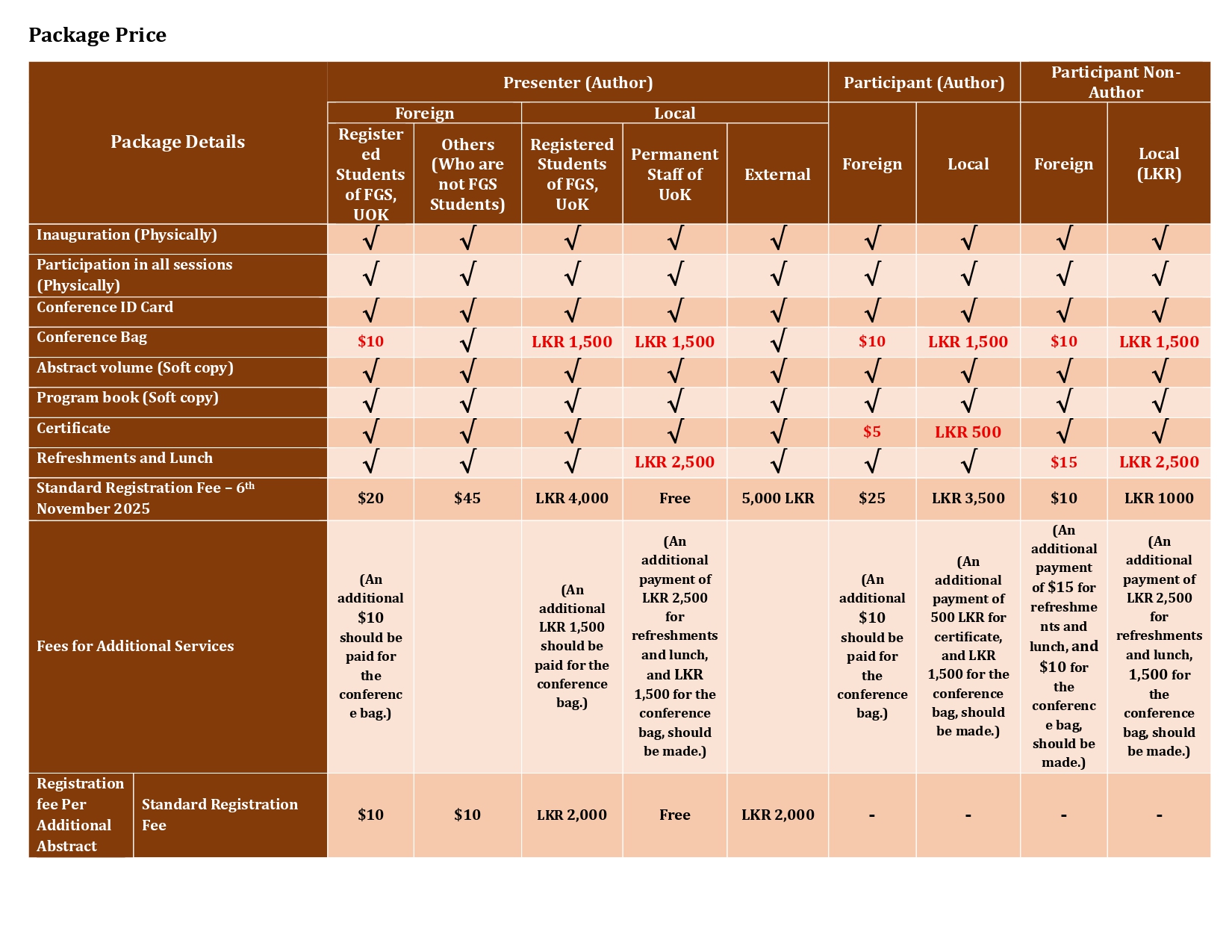
All academic staff of UoK those who have are invited to participate in the inauguration Session (Online), parallel academic sessions, and plenary sessions.
The authors (Local and Foreign) who have submitted more than one abstract to the International Postgraduate Research Conference (IPRC), should adhere to the above guidelines.
Payment Deadline: 6th November 2025
Payment Methods
- Online Payment by Credit Card or Debit Card (Master & Visa cards only)
- Bank Slip Payment by visiting any branch of the People's Bank
- Bank Transfer through GovPay
Please complete your registration by following the path that corresponds to your applicable category, as illustrated in the example below.
If you require any further information, please contact the organizing committee on
Tel & WhatsApp: (94) 71 5 179 502
Email - iprc@kln.ac.lk

Scan and register for the Conference “IPRC 2025”
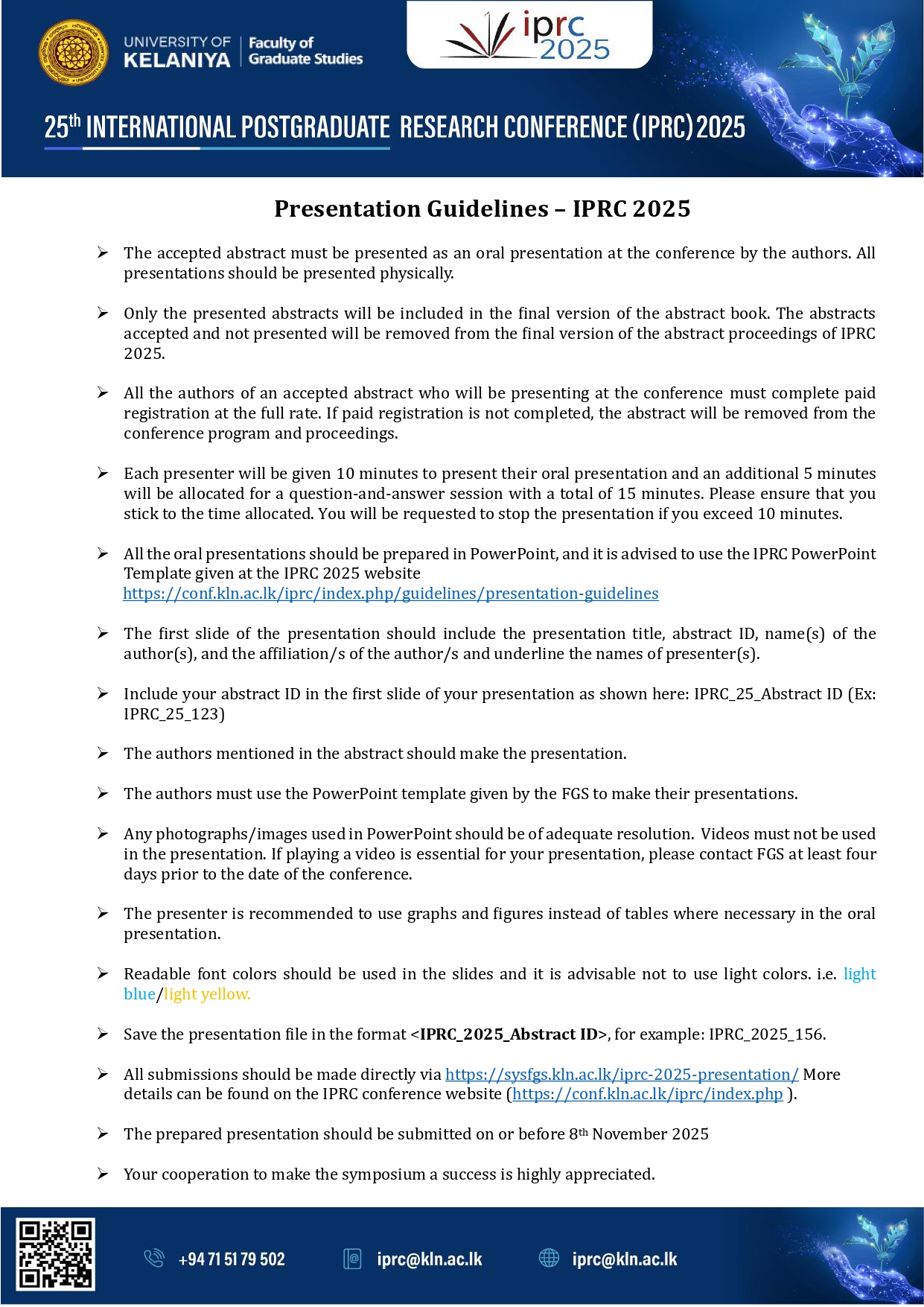
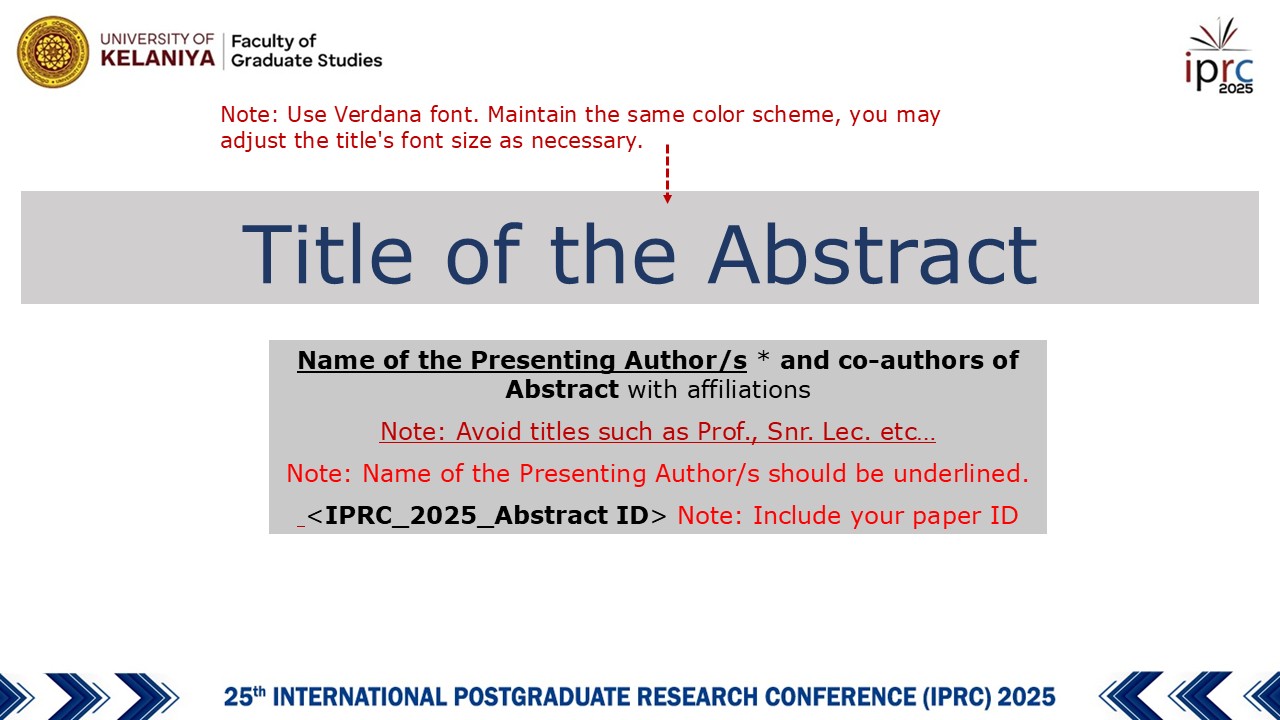
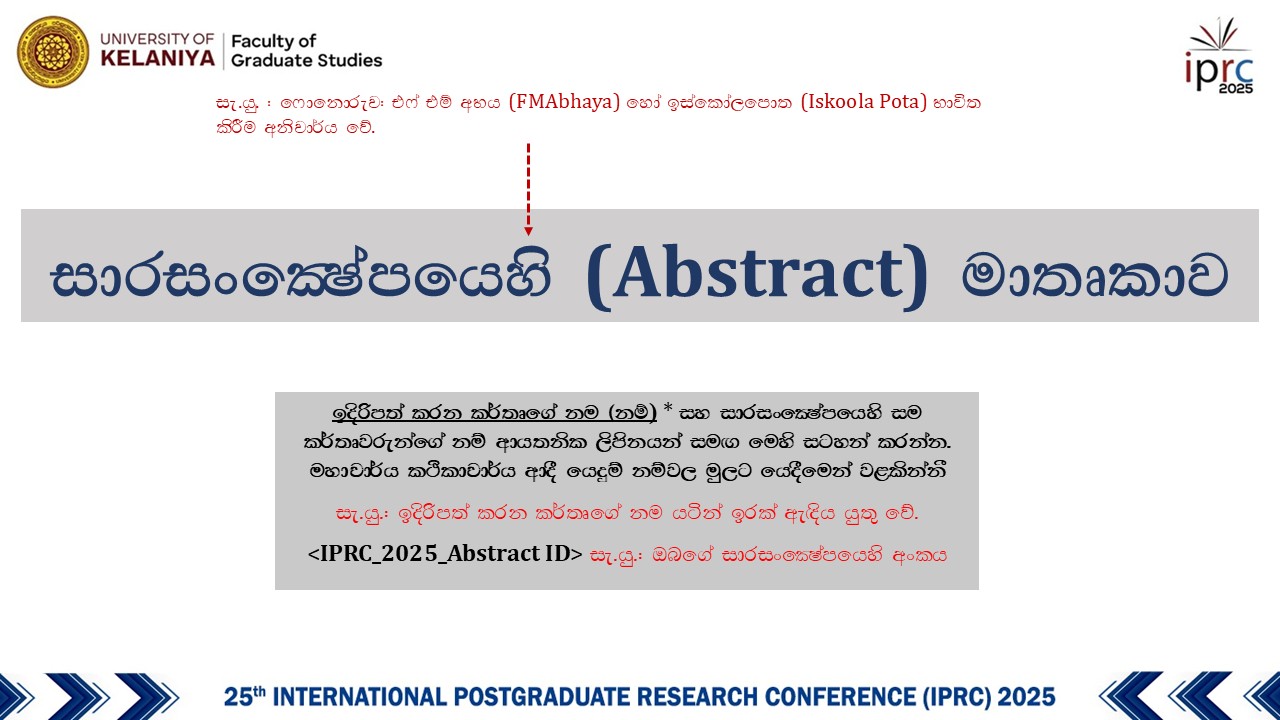
Presentation Guidelines
Our Partners in IPRC 2025


















Our Partners in Post Conference Workshop
"Music & Dance beyond the Culture"